Sandoz, the generic drug division of Swiss drug giant Novartis, announced on 22 July 2013 that its biosimilar granulocyte colony-stimulating factor (G-CSF) Zarzio (filgrastim) has overtaken the originator product in terms of prescriptions.
Biosimilar G-CSF prescribed more than originator
Biosimilars/News
|
Posted 02/08/2013
 0
Post your comment
0
Post your comment
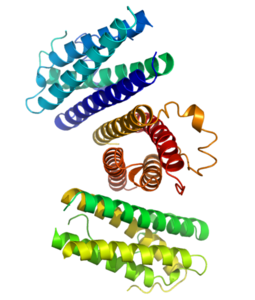
In fact, Zarzio has overtaken both its reference product (Amgen’s Neupogen) and European market leader (Chugai’s Granocyte) and is now the most prescribed daily G-CSF in Europe and the number one biosimilar daily G-CSF globally.
G-CSF, which is also known as filgrastim, is a growth factor used to aid the recovery of bone marrow after chemotherapy treatment for cancer, especially in patients with neutropenia (low white blood cell count in the blood), which causes reduced resistance to infections. It can also be used to stimulate mobilization of haematopoietic stem cells for collection and transplantation.
Sandoz gained EMA approval and began marketing Zarzio in Europe in 2009. Since then the biosimilar has been prescribed to more than 100,000 patients worldwide, and is marketed in more than 40 countries; major countries include France, Germany, Spain, UK, Italy, Poland, Hungary, New Zealand and Saudi Arabia.
The majority of patients using biosimilar G-CSF are in Europe. The first biosimilar G-CSF was licensed by EMA in 2008, and there are currently six biosimilar G-CSF products licensed for use in the EU [1]. This has led to cost savings to European healthcare systems of approximately 25–30%. In the US, where legislation has been put in place but no biosimilars have yet been approved, newer biological treatments can cost US$100,000 or more per patient, per year.
Zarzio is the first G-CSF with an innovative automatic needle guard specifically designed for prefilled glass syringes. The needle guard passively locks into place for protection against injury and safer disposal. Sandoz is also the only company that provides ‘Patient Support Kits’ with convenient carry bag which allow patients to self-administer the drug at home.
Zarzio overtaking the originator product in terms of the number of prescriptions shows the increasing acceptance of biosimilars worldwide and affirms physician confidence in its proven safety and efficacy in the cancer setting.
Sandoz is the market leader in biosimilars, with three biosimilars on the market and with more than 50% share of all biosimilars approved in the highly regulated markets of Australia, Canada, Europe, Japan and the US; generated over 100 million patient exposure days of experience, according to Sandoz’s global pharmacovigilance data. The company also has 8–10 molecules in the pipeline at various stages of development [2].
Related articles
Sandoz to start phase III etanercept trial
Use of G-CSF biosimilars for reduction of fever
Use of G-CSF biosimilars for stem cell mobilization in autologous transplantation
Use of G-CSF biosimilars for stem cell mobilization in healthy donors
References
1. GaBI Online - Generics and Biosimilars Initiative. Biosimilars approved in Europe [www.gabionline.net]. Mol, Belgium: Pro Pharma Communications International; [cited 2013 Aug 2]. Available from: www.gabionline.net/Biosimilars/General/Biosimilars-approved-in-Europe
2. GaBI Online - Generics and Biosimilars Initiative. Sandoz announces biosimilar rituximab [www.gabionline.net]. Mol, Belgium: Pro Pharma Communications International; [cited 2013 Aug 2]. Available from: www.gabionline.net/Biosimilars/News/Sandoz-announces-biosimilar-rituximab
Permission granted to reproduce for personal and non-commercial use only. All other reproduction, copy or reprinting of all or part of any ‘Content’ found on this website is strictly prohibited without the prior consent of the publisher. Contact the publisher to obtain permission before redistributing.
Copyright – Unless otherwise stated all contents of this website are © 2013 Pro Pharma Communications International. All Rights Reserved.
Source: Novartis, Sandoz

Research
Reaching ESG goals in pharmaceutical development
What is the future for the US biosimilar interchangeability designation


General
Samsung Bioepis wins Pyzchiva case; Regeneron patent rulings threaten foreign biosimilars
Chinese biosimilars go global: growth, partnerships, and challenges
Most viewed articles
The best selling biotechnology drugs of 2008: the next biosimilars targets
Global biosimilars guideline development – EGA’s perspective
Related content
EMA recommends approval for insulin glargine biosimilar Ondibta and denosumab biosimilar Osqay
FDA approves denosumab biosimilars Osvyrti and Jubereq, Boncresa and Oziltus
FDA approves aflibercept biosimilar Eydenzelt and label expansion for adalimumab biosimilar Yuflyma
ANVISA approves biosimilars for denosumab, trastuzumab, and aflibercept
Related content
EMA recommends approval for insulin glargine biosimilar Ondibta and denosumab biosimilar Osqay
Biosimilars/News Posted 16/01/2026
FDA approves denosumab biosimilars Osvyrti and Jubereq, Boncresa and Oziltus

Biosimilars/News Posted 07/01/2026
FDA approves aflibercept biosimilar Eydenzelt and label expansion for adalimumab biosimilar Yuflyma

Biosimilars/News Posted 05/12/2025
ANVISA approves biosimilars for denosumab, trastuzumab, and aflibercept

Biosimilars/News Posted 05/12/2025
Most viewed articles
The best selling biotechnology drugs of 2008: the next biosimilars targets


Post your comment