Biosimilars

Adalimumab biosimilar FKB327 causes less pain than originator

Biosimilars/Research | Posted 09/04/2021

Fujifilm Kyowa Kirin Biologics’ adalimumab biosimilar FKB327 has been found to cause less injection-site pain compared to the reference product, according to data from more than 1,001 subjects and patients [1]. 

Biosimilars regulation, clinical trials, approval and adverse events in Malaysia

Biosimilars/Research | Posted 09/04/2021

Compared to chemical drugs, biologicals are more expensive because of their complicated manufacturing processes. Patients often use biologicals for long-term therapy, which may exert huge budgetary pressure on healthcare systems. One alternative solution to address this issue is to use biosimilars that are similar to the originator biologicals, with no clinical differences in terms of quality, efficacy, safety and immunogenicity. In Malaysia, the National Pharmaceutical Regulatory Agency (NPRA) approved the country’s first biosimilar, somatropin, in 2010. Since then, the number of approved biosimilars and clinical trials on biosimilars continue to rise. With increased use of biosimilars, an increased number of adverse events (AEs) is expected because like any other biological, they may elicit immunogenic reactions.

FDA accepts application for adalimumab biosimilar CHS-1420

Biosimilars/News | Posted 09/04/2021

US-based Coherus BioSciences (Coherus) announced on 17 February 2021 that the US Food and Drug Administration (FDA) had accepted the application for their proposed adalimumab biosimilar CHS-1420.

Biosimilars of ustekinumab

Biosimilars/General | Posted 09/04/2021

Ustekinumab is a humanized monoclonal antibody that interferes with the triggering of the body’s inflammatory response through the suppression of certain cytokines. Specifically, it blocks interleukin IL 12 and IL 23 which help activate certain T cells. It binds to the p 40 subunit of both IL 12 and IL 23 so that they subsequently cannot bind to their receptors. It is indicated for the treatment of Crohn’s disease, psoriasis and psoriatic arthritis.

Etanercept biosimilar injection pen, YLB113, convenient and easy to use

Biosimilars/Research | Posted 02/04/2021

A study of an injection pen formulation of the etanercept biosimilar YLB113, which is manufactured by the Japanese firm YL Biologics, finds it to be convenient and easy to use and convenient among patients with rheumatoid arthritis [1]. 

Samsung Bioepis and Eden Biologics announce new biosimilars trials

Biosimilars/Research | Posted 02/04/2021

In early 2021, Samsung Bioepic and Eden Biologics announced advances in the clinical trials of their respective ustekinumab and denosumab biosimilars.

Australian and Indian approval for teriparatide products

Biosimilars/News | Posted 02/04/2021

Australia’s drug regulatory agency, the Therapeutic Goods Administration (TGA), has approved a teriparatide biosimilar and the Drug Controller General of India (DCGI) has approved a teriparatide ‘similar biologic’.

Biosimilars of aflibercept

Biosimilars/General | Posted 02/04/2021

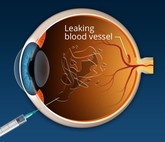
Aflibercept is a vascular endothelial growth factor (VEGF) inhibitor. It is indicated for the treatment of neovascular (wet) age-related macular degeneration, macular oedema following retinal vein occlusion, diabetic macular oedema and diabetic retinopathy in patients with diabetic macular oedema.

Biosimilars in Europe: prescriber survey

Biosimilars/Research | Posted 26/03/2021

A survey of European prescribers reveals a significant increase in familiarity with biosimilars since 2013 [1]. In addition, prescribers increasingly believe they should always have control of treatment decisions, including those to switch to a biosimilar.

Argentina approves bevacizumab similar biological medicine Zutrab

Biosimilars/News | Posted 26/03/2021

The Argentina-based Richmond Laboratory (Laboratorios Richmond) announced on 19 March 2021 that it had gained approval from Argentina’s National Administration of Drugs, Foods and Medical Devices (Administración Nacional de Medicamentos, Alimentos y Tecnología Médica, ANMAT) for its similar biological medicine (medicamento biológico similar) Zutrab (bevacizumab).

EC approval for insulin aspart biosimilar Kixelle

Biosimilars/News | Posted 26/03/2021

The European Commission (EC) has granted marketing authorization for the insulin aspart biosimilar Kixelle (MYL 1601D), developed by US-based drugmaker Mylan (now Viatris) and India-based biologicals specialist Biocon.

Public health impact of using biosimilars and relevance of automated follow-up

Biosimilars/Research | Posted 26/03/2021

Biological reference drugs and biosimilars have highly complex structures. Biosimilars need to demonstrate their biosimilarity during their development but unpredictable variations can remain, such as micro-heterogeneity. The healthcare community may raise questions regarding the clinical outcomes induced by this micro-heterogeneity. Indeed, unwanted immune reactions may be induced for numerous reasons, including product variations. However, it is challenging to assess these unwanted immune reactions because of the multiplicity of causes and potential delays before any reaction. Moreover, safety assessments, as part of preclinical studies and clinical trials, may be of limited value with respect to immunogenicity assessments because they are performed on a standardized population during a limited period. Real-life data could therefore supplement the assessments of clinical trials by including data on the real-life use of biosimilars, such as switches. Furthermore, real-life data also include any economic incentives to prescribe or use biosimilars.

Pelmeg developed with aid of regulatory reform

Biosimilars/Research | Posted 19/03/2021

The development of Pelmeg, a biosimilar of pegfilgrastim, revealed flexibility in the regulatory guidelines as they were superseded by state-of-the-art science, a study uncovers [1].

IVM releases toolbox on how to switch patients to insulin biosimilars

Biosimilars/General | Posted 19/03/2021

The Dutch Instituut voor Verantwoord Medicijngebruik (Institute for Responsible Medicines Use, IVM) has released a toolbox for healthcare providers on how to switch patients to insulin biosimilars.

Knowledge and perceptions about naming biosimilars in the US

Biosimilars/Research | Posted 19/03/2021

Following the introduction of biosimilars, naming conventions for biologicals have been introduced, in part to support pharmacovigilance.

EC approves adalimumab biosimilar Yuflyma

Biosimilars/News | Posted 19/03/2021

On 15 February 2021, South Korea-based biotechnology company Celltrion Healthcare (Celltrion) announced that its adalimumab biosimilar, Yuflyma (CT P17), had received European Commission (EC) approval.

Approaches to naming and labelling of biosimilars

Biosimilars/Research | Posted 12/03/2021

Naming and labelling of biosimilars has been a controversial issue and there is a long-standing debate regarding the naming of biologicals.

EMA recommends approval of four bevacizumab biosimilars

Biosimilars/News | Posted 12/03/2021

The European Medicines Agency’s (EMA) Committee for Medicinal Products for Human Use (CHMP) announced on 29 January 2021 that it had recommended granting marketing authorization for the bevacizumab biosimilars Alymsys and Oyavas. Then on 26 February 2021, the agency announced that it had recommended approval of the bevacizumab biosimilars Abevmy and Lextemy.

China accepts IND application for daratumumab copy biological HLX15

Biosimilars/News | Posted 12/03/2021

China-based drugmaker Shanghai Henlius Biotech (Henlius) announced on 13 January 2021 that the investigational new drug (IND) application for its daratumumab copy biological, HLX15, had been accepted by China’s drug regulator, the National Medical Products Administration (NMPA), allowing it to carry out clinical trials in the country.

Infliximab biosimilars for IBD patients: experience from Italy

Biosimilars/Research | Posted 12/03/2021

In the last 20 years, biological drugs have become the mainstream therapy for patients affected by moderately-to-severely active inflammatory bowel disease (IBD), even though they are associated with a significant increase in health-related costs. After the expiry of patents on originator drugs, the advent of antitumour necrosis factor alfa (TNF-α) biosimilars resulted in considerable cost-savings and increased patients’ access to these drugs. After having completed registration trials in rheumatic diseases [1, 2], the infliximab biosimilar CT P13 obtained approval based on a comprehensive comparability exercise, for all other indications, including IBD. Accordingly, physicians started to increasingly prescribe biosimilars for patients with IBD – including those that were both anti-TNF-α naïve and experienced. There is growing evidence that early introduction of biological therapy in IBD is associated with more favourable outcomes in the medium to long term. Keeping that in mind, it follows that the advent of biosimilars has the potential to allow more patients to have access to biological therapy at an earlier stage of disease, which could contribute to prevent disease progression and damage accumulation, with a consequential improvement in patients’ quality of life.

Different approaches to the interchangeability of biosimilars

Biosimilars/Research | Posted 05/03/2021

The interchangeability of biosimilars can sometimes be an emotive subject. Despite reservations by prescribers, payers and patients, many countries have implemented policies allowing for the substitution of biologicals with biosimilars. However, there is still a lack of harmonization around the world when it comes to how different countries or regions approach the interchangeability of biosimilars [1].

Latest launches for adalimumab biosimilars in Canada and Japan

Biosimilars/News | Posted 05/03/2021

There has been a lot of news recently when it comes to adalimumab biosimilars. Sandoz, Fresenius Kabi, Fujifilm Kyowa Kirin Biologics/Mylan and Viatris have all announced launches of adalimumab biosimilars.

Biosimilar patent litigation trends in the US

Biosimilars/General | Posted 05/03/2021

According to authors from Law360 the trend in biosimilar patent litigation cases has been downward, with many cases being resolved and only five cases still pending as of 31 December 2020 [1].

Efficacy and safety of interferon beta-1a (ReciGen) in COVID-19

Biosimilars/Research | Posted 05/03/2021

Since COVID-19, caused by SARS-CoV-2, emerged as a worldwide concern and was declared a pandemic, finding a safe and effective treatment for this disease has been a top priority. Different treatment candidates, including interferon [1], remdesevir [2], tocilizumab [3], and dexamethasone [4] have been investigated in multiple clinical trials.

Collaboration between regulatory authorities for biosimilars

Biosimilars/Research | Posted 26/02/2021

A survey carried out by the World Health Organization (WHO) in 2019‒2020 highlighted the need for collaboration between regulatory authorities in order to expediate the approval of biosimilars [1].

Biosimilar approvals and launches in the US

Biosimilars/General | Posted 26/02/2021

An examination of biosimilar approvals by the US Food and Drug Administration (FDA) compared to launches was carried out by authors from Law360 [1].

FDA accepts application for bevacizumab biosimilar BAT1706

Biosimilars/News | Posted 26/02/2021

China-based Bio-Thera Pharmaceuticals (Bio-Thera) announced on 28 January 2021 that the US Food and Drug Administration (FDA) had accepted the Biologics License Application (BLA) for its proposed bevacizumab biosimilar, BAT1706.

Improving biosimilar use in clinical practice

Biosimilars/Research | Posted 26/02/2021

Uncertainty about biosimilars and lack of motivation among healthcare providers and patients to use them may have been curbing biosimilar use. Guidance on how to implement biosimilars in clinical practice and how to incentivize stakeholders to use biosimilars may help to realize the benefits offered by biosimilars for healthcare systems and patients.

Canada approves infliximab biosimilar Remsima SC

Biosimilars/News | Posted 19/02/2021

Canada’s drug regulator, Health Canada, has approved the infliximab biosimilar Remsima SC for the treatment of autoimmune diseases.

Improving stakeholder understanding about biosimilars

Biosimilars/Research | Posted 19/02/2021

The arrival of biosimilars provides benefits for healthcare systems and patients by lowering treatment costs and improving patient access to biologicals. Despite these benefits and demonstrated comparability with the reference biological, the use of biosimilars varies across regions and remains limited in some cases. This may be partially due to a lack of knowledge and understanding among healthcare professionals and patients about biosimilars, limiting their willingness to use them.

Innovent starts phase II trial for ipilimumab copy biological

Biosimilars/News | Posted 19/02/2021

China-based Innovent Biologics (Innovent) announced on 11 December 2020 that the first patient had been successfully enrolled and dosed in the randomized, double-blind, phase II multicentre clinical trial (NCT04590599) evaluating its ipilimumab copy biological (IBI310) in combination with TYVYT (sintilimab) for the treatment of patients with second-line or above advanced cervical cancer.